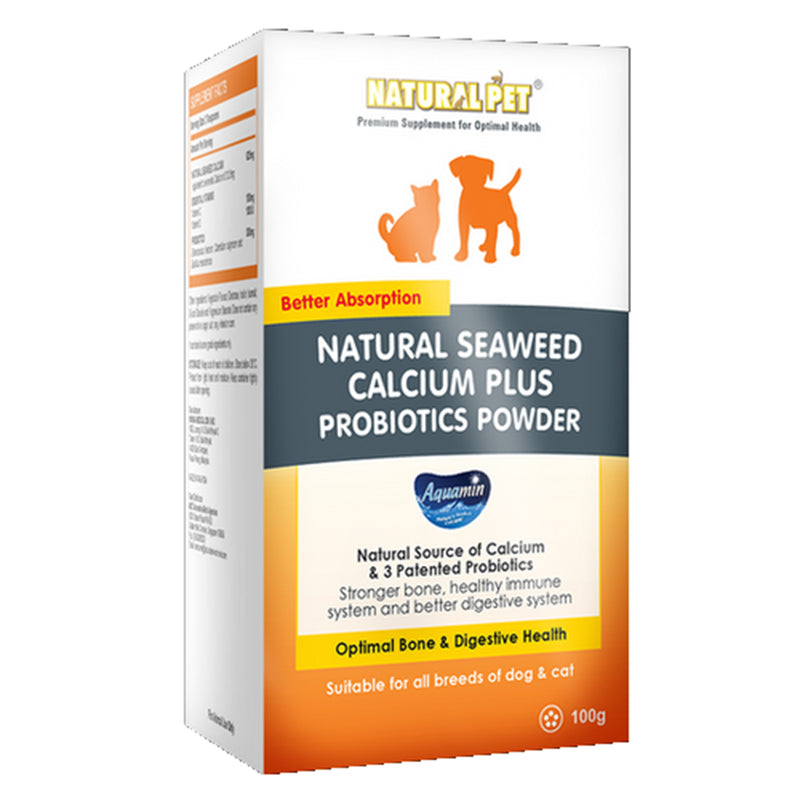
Top 10 Things To Learn About Cat And Dog Kidney Supplements
In order to maintain the well-being and health of companion animals, kidney health is a key factor. Senior pets particularly require care for their kidney system. In the context of holistic pet care, natural supplements are frequently analyzed in conjunction with veterinary care and aid in the maintenance of kidney function. The supplements for pet wellness are available in a variety of forms, from specific nutrition supplements to herbal treatments that are gentle, are meant to provide nutrition-based support and ensure renal well-being. The use of kidney supplements is not intended to replace professional veterinary diagnosis or treatment particularly when kidney disease has already been confirmed. They support and seek to enhance the overall health of the urinary system. This issue is best dealt with by a professional and an informed, responsible approach.
1. Support for Renal Function Renal Support: A Holistic Philosophy
Holistic pet care approaches kidney health by assisting the whole body system. The kidneys are essential to ensure fluid balance as well as filtration and elimination of waste. Natural kidney products form part of a larger strategy for promoting healthy, high-quality nutrition, safe drinking water, as well as a healthy environment. The objective is to supply the kidneys with the nutrition they require to function at their best as well as supporting the body's natural detoxification pathway and systemic balance.
2. Foods that Support Kidney Function
Certain nutrients may play an important role in ensuring renal health. Supplements for pets that are created to improve kidney health typically focus on:
– Omega-3 fatty Acids: EPA & DHA from Fish Oil, renowned for their ability to support healthy inflammatory processes as well as blood flow towards the kidneys.
B vitamins: Water-soluble vitamin that is lost when urinating more. Supplementation can help to maintain levels of energy metabolism, and overall health of cells.
– Antioxidants such as Vitamin E or Vitamin C that protect the kidney cells from oxidative damage that can impact the health of cells.
These nutrients are essential for the demands on metabolism of kidney tissue.
3. Understanding the role of proteins and Phosphorus
When it comes to supporting kidney health, regulating dietary proteins and phosphorus is a crucial factor to take into consideration. It is important to consume bioavailable, high-quality protein, but the type and amount can be changed in order to keep renal function. Supplements aren't commonly used to supplement protein intake however, they can be integrated into a diet to minimize the amount of waste products. The control of phosphorus intake, which is one of the most important aspects of kidney support is also essential. Certain supplements may serve as phosphate binder however, they are classified more accurately as veterinary medicines and should only be used with a prescription from a veterinary doctor.
4. Herbal Solutions for Renal and Urinary Tract Support
Herbal remedies for pets have been utilized to support the health of the urinary systems for many years. Extreme caution is necessary since the kidneys process these compounds, and inappropriate use can be harmful. A veterinarian certified in herbal medicine must be consulted. Herbal medicine is a traditional practice that includes:
Dandelion leaf is mild diuretic and aids in promoting healthy urine flow.
Astragalus (Astragalus sativus): This herb is well-known in traditional medicines for its capacity to boost kidney function and immunity.
Marshmallow Root can be used to relax the mucous surfaces of the urinary track.
Cranberry: Cranberry is often added because it promotes an environment that is healthy in the urinary tract.
Herbal remedies are ideal for cats, however they require special care because of the specific nature of their physiology.
5. Hydration: The Key to Success
The most crucial factor to kidney health is to drink enough water. Water is crucial for kidneys to remove blood waste. A variety of natural pet remedies aim to promote the hydration of your pet. This can include:
Wet food diets have a greater moisture content than dry Kibble.
– Water Fountains: Add water to your meals, or use water fountains.
Subcutaneaux fluids The fluids are administered under the supervision of a vet to ensure the level of hydration.
The supplements shouldn't be viewed as a replacement for good drinking.
6. Support for cats and dogs
There are specific considerations specific to each species although the principles behind kidney support are the same. Cats are especially susceptible to chronic kidney issues, and their requirements can be different. Their thirst is low, so hydration techniques are essential. The selection of herbal products for cats should be done cautiously due to their capability to digest plants' compounds is different from that of dogs. The dosages can be different. A supplement made specifically for dogs might not be safe or appropriate for a feline.
7. The importance of Veterinary Diagnosis and Monitoring
The subtle symptoms of kidney issues, such as an increase in thirst, changes in weight loss, or increased urination can suggest serious health issues. Before starting any supplement regime the vet needs to make a definitive diagnosis. Typically, this involves blood tests to check SDMA and creatinine levels and urine tests. Regular monitoring will allow you to evaluate the effectiveness of your care plan, and adjust it if necessary. Self-diagnosing kidney disease can result in delayed treatment.
8. What is the purity and quality of Australian kidney supplements?
It is not negotiable that supplements for kidney support are made of high-quality ingredients. Because kidneys are the organs that filter out the impurities from the body, a supplement that is contaminated could cause harm. Be aware of these signs when evaluating Australian supplements for your pet:
– Pharmaceutical Grade Inputs: Assure high purity.
Third-Party Testing Third-Party Testing: Certificates of Analysis (CoA) that verify the product is free from toxic heavy metals, and harmful bacteria.
– Transparent Packaging: Clearly list every ingredient as well as their amounts.
The use of natural pet products can help to reduce the quantity of pesticides and synthetic additives that pets are exposed to.
9. Integration with a Prescribed Renal Diet
Veterinarians prescribe special diets for pets suffering from specific kidney problems. These diets are typically made up of controlled levels of sodium, phosphorus, protein, as well as high amounts of omega-3 fatty acid. If using natural supplements are recommended, it is important to ensure they complement and don't disrupt the careful nutritional balance of the diet that is prescribed. By adding supplements without consulting with a veterinarian you could unintentionally alter this balance. The supplement should be viewed as a potential adjunct to, not a replacement for, a veterinary-recommended dietary plan.
10. Professional Guidance and APVMA Compliance
It is essential to speak with an animal veterinarian prior to using kidney supplements. This is particularly important since pets suffering from kidney issues may be on other medications, and supplements may interact with these medications. Furthermore, under APVMA guidelines, products are not allowed to claim to treat, cure kidney disease, or even prevent it. Natural pet supplements that are genuine use carefully-crafted language for example "supports kidney function,"" "provides nutrition support for kidney health" and "aids in maintaining urinary tract health." Understanding the regulatory framework helps pet owners find ethically-produced supplements that are designed to enhance general wellbeing, instead of therapeutic treatments. Read the most popular kidney supplements for dogs and cats for blog recommendations including upcoming pet health webinars, seasonal pet care tips, natural ingredients for pet care, questions to ask your vet about herbal remedies, recognizing pet allergies, virtual meet-ups for pet enthusiasts, what is herbal medicine for pets?, future of pet wellness, natural pet grooming products, dog owners in Australia and more.
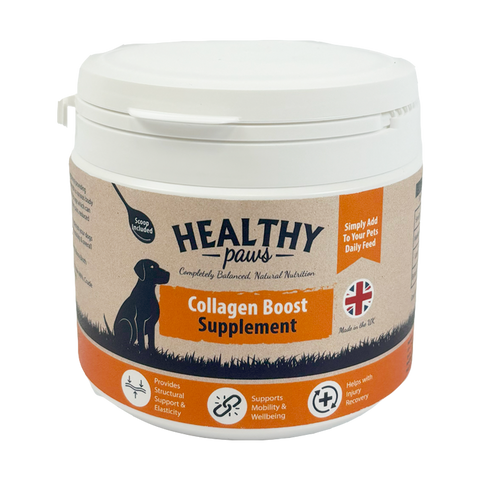
What Do You Need To Be Aware Of About Herbal Tinctures For Cats And Dogs
Herbal remedies for pets may be strengthened by herbal tinctures. They are liquid extracts from plants preserved in vinegar or alcohol. The primary purpose of herbal remedies as part of holistic pet care is to aid in the maintenance of various body functions, such as thyroid health, joint mobility, immunity, or kidney function. Tinctures contain concentrated botanicals which can be customized to meet the requirements of your pet. But their potency demands the use of a well-informed and careful approach. In Australia, it is paramount to follow the guidelines established by the APVMA which regulates therapeutic claims. Herbal tinctures are not advertised as a remedy for specific ailments or conditions however, they can be used as an aid for overall wellness. A professional's guidance is needed to ensure that the application of herbal tinctures is safe and suitable for each individual animal.
1. Understand Tincture Potency & Delivery
Herbal tinctures are extremely concentrated extracts, which means that a tiny volume can contain a significant amount of the herb's active components. They are a potent supplement for natural pet health but increases the risk of incorrect dosing. Tinctures are generally administered to pets directly in the mouth or by mixing them with small quantities of food. The liquid permits easy dosage adjustment and rapid absorption. The potency of this herb requires respect and an awareness of the herb as well as the needs of the pet.
2. The Importance of Professional Formulation
Due to their potency, herbal tinctures are not recommended to be prepared or administered without the supervision by a trained professional, such as a veterinarian trained in herbal medicine, or an accredited clinical herbalist. It is not recommended to self-prescribe remedies for complex endocrine issues such as adrenal and thyroid. A vet can formulate an individual formula that is tailored to a pet's unique body, weight, and health and wellness, as well as determine the appropriate dosage and duration. This isn't something that can be done by speculation.
3. Herbal Actions For Systemic Support
Different herbs are traditionally used to help support certain body systems. It is crucial to stress that this is support and not therapy. For example:
– Adrenal Support: Herbs like Ashwagandha, Ashwagandha Root and Licorice Root have been used for centuries to support adrenal gland function and aid the body in dealing with stress.
– Thyroid Support for Thyroid. To help balance the thyroid, herbs such as Lemon Balm and Bugleweed can be considered. Bladderwrack – a type of seaweed that can be considered because of its high iodine content.
Echinacea, Astragalus and other herbs can be utilized to boost the immune system.
Joint comfort: Turmeric and Devils Claw are great for joint comfort because they are traditionally used for supporting the muscles of the musculoskeletal.
Astragalus also helps support kidney health.
These programs are based on the traditional use of these products and should be viewed as aiding in the maintenance of the system.
4. Cats aren't small dogs
This is the primary aspect to take into. Because cats' liver detoxification is not efficient, they are vulnerable to various herbs and oils. Cats are poisoned by Terpenes and phenols that are that are found in a variety of plants. So, herbal remedies for cats require extreme specialization. A tincture that is intended for support of joints in dogs could be fatal to a cat. Any tincture prescribed to a pet cat must come from an expert vet with specific knowledge of feline herbs.
5. Tinctures containing Glycerin or Alcohol
The solvent used to make the tincture is crucial. Alcohol-based tinctures are the most powerful. They also offer a longer shelf life. Some pet owners avoid alcohol because it is so small. Glycerin-based (glycerites) that are alcohol-free, and sweet tasting, may be more acceptable for certain pet breeds. Glycerites, however, are less effective in obtaining certain medicinal components and have a shorter life span. It is best to consult an expert before deciding on the solvent.
6. Tinctures: They play an important role in a holistic care plan
Herbal tinctures seldom function as a stand-alone solution. They are part of holistic pet care and are incorporated into a larger plan that encompasses species-appropriate nutrition, stress management and exercise, as well as conventional veterinary treatment. If it is the tincture of kidneys it will be integrated into a holistic plan which focuses on hydration along with a balanced diet. Tinctures are a great way to help the body's natural healing processes as part of a holistic wellness plan.
7. The importance of monitoring and diagnosis in veterinary medicine.
Before deciding on a tincture to aiding with conditions that affect the thyroid, adrenals, or kidneys, a clear veterinary diagnosis is absolutely essential. Signs of imbalance within these systems may overlap and can indicate serious illness. For instance, weight loss could signal hyperthyroidism, kidney disease or other problems. Urinalysis tests, blood tests, as well as other diagnostics are essential to understand the underlying cause. It is also essential to have a vet monitor the animal to ensure that the treatment plan is correct and to look for possible interactions with the medication prescribed.
8. Herbs-Drugs Interactions Potential
The herbs used in tinctures may be effective pharmacologically and also are able to interact with other drugs. For instance,
Licorice Root is known to interact with certain heart medications, including diuretics.
Herbs supporting the immune system aren't advised for pets on medication to suppress their immune system.
Herbs with diuretic properties could enhance diuretics prescribed by a physician.
The full disclosure of all medications and supplements to the veterinarian overseeing the pet's medical care is mandatory for safety.
9. Quality and Source of Herbal Tinctures
The quality of the herb that are used is of paramount importance. Pet owners should look for practitioners who make tinctures from suppliers who are reliable.
– Positive Plant ID: Ensure the proper species of plant is used.
Sustainable Harvesting : Use of ethical wildcrafting and organic cultivation techniques.
Purity Testing: Confirming that the product is free from pollutants like heavy metals pesticides, and microbes.
The effectiveness and safety of the tincture is directly influenced by the quality of the herbs.
10. APVMA Compliance and the Language of Support
Australian law does not permit herbal tinctures to be promoted as remedies for ailments. APVMA regulations prohibit assertions that they "balance" hormones, "regulate" the thyroid, "boost immunity", or "treat" kidney disease. Language that is compliant will concentrate on general support. Examples include "supports the adrenal gland function," provides nutritional support for healthy thyroid function," aids in maintaining the immune system," supports joint comfort and flexibility," or "provides the support of herbs for kidney function." Knowing the difference is crucial for both practitioners and pet owners to ensure that they're operating within the legal framework and have realistic expectations regarding the role of herbal tinctures. View the top rated pet herbal supplements for hunting cats for website tips including scientific studies on herbal pet supplements, herbal vs, safe herbal treatments for pet cancer, veterinarians recommending herbal remedies, how to make natural pet treats, UTI treatment for dogs, special dietary needs for pets, future of pet wellness, active lifestyle for dogs, herbal cancer support for pets and more.